

A small roof issue gets expensive because water spreads sideways and downward through the system long before it ever shows up on your ceiling. A loose flashing seal or a cracked tile lets moisture reach the underlayment, then the decking, and finally the insulation. Catching it at the flashing stage keeps the job a simple repair. Catching it at the ceiling stage usually means you are paying for decking work, insulation replacement, and interior drywall repairs on top of the roof itself.
Here’s the short version if you want the facts fast:
- Inspect twice a year (spring and fall), plus after any named storm.
- Check for curling, cracked, or missing shingles from the ground.
- Watch for granules collecting in gutters, which is an early sign of shingle wear.
- Look at the flashing around chimneys, vents, and skylights for gaps or rust.
- Clean gutters and downspouts so water drains away from the roof edge.
- Check the attic for water stains, mold, or damp insulation.
- Handle small issues while they are still small.
The National Roofing Contractors Association (NRCA) recommends twice-yearly inspections for exactly this reason. Routine checks often turn up cracked or missing shingles, loose seams, deteriorated flashings, and granule buildup in gutters while they are still minor, inexpensive fixes.
This guide covers what delayed maintenance does to an aging roof, how to read the early warning signs, how to weigh the repair-or-replace decision, and what your roof’s age means for your Florida homeowners insurance.
Legrand’s Roofing & Construction has been working on Southwest Florida roofs for over a decade, and everything below reflects exactly what our crews see on properties across Collier, Lee, and Sarasota Counties.
What Delayed Maintenance Does to an Aging Roof
Southwest Florida roofs work harder than roofs almost anywhere else in the country. Sustained UV exposure, high humidity, salt-laden coastal air, and a six-month storm season all age roofing materials much faster than national averages assume.
Water finds the gaps that age creates. A degraded sealant joint or a cracked tile gives moisture a direct path to the underlayment, and from there, it reaches the roof decking and attic insulation.
Wet insulation loses its energy efficiency (R-value), which drives up your cooling costs. Wet decking loses its structural strength. Both problems develop quietly, which is why an emergency repair bill is often a shock.
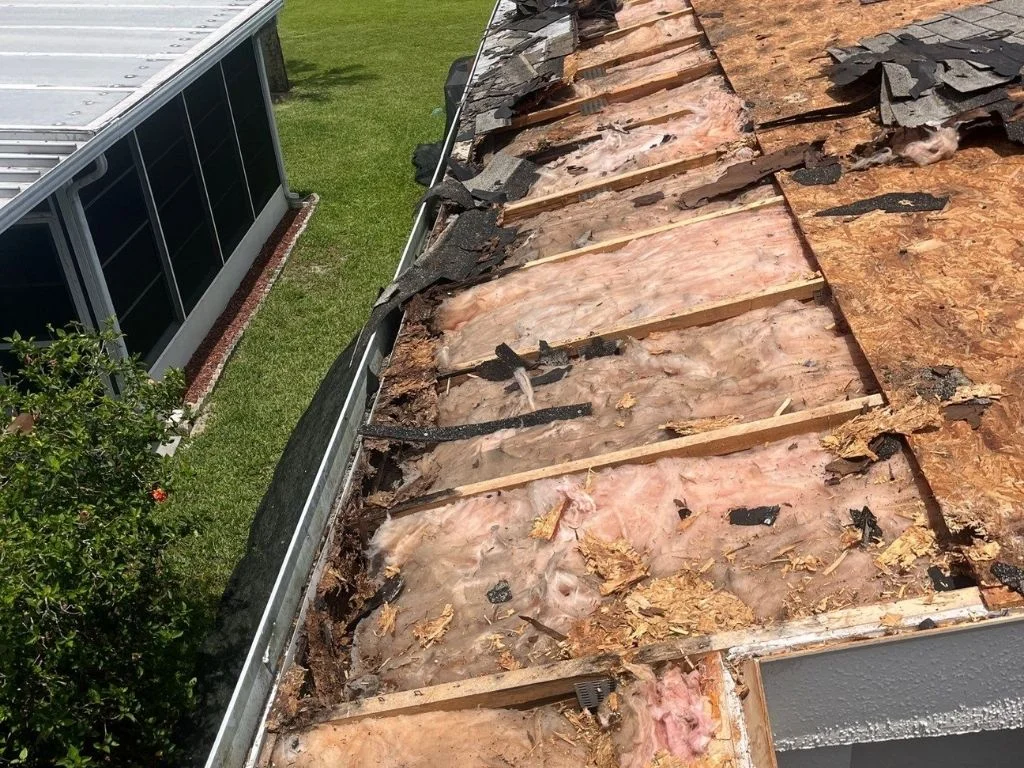
Staying ahead of maintenance is more cost-effective. Planned inspections and small, documented repairs can be scheduled at normal rates with standard lead times.
Emergency work carries rush pricing, and it usually arrives alongside interior cleanup costs that planned repairs would have avoided entirely. A documented maintenance history also helps immensely when you need to file an insurance claim, which we cover in our guide to preparing for storm damage.
How to Spot the Warning Signs Early
An aging roof gives you plenty of notice. Learning what to look for turns a sudden emergency into a manageable, scheduled item.
Ground-Level Checks Anyone Can Do
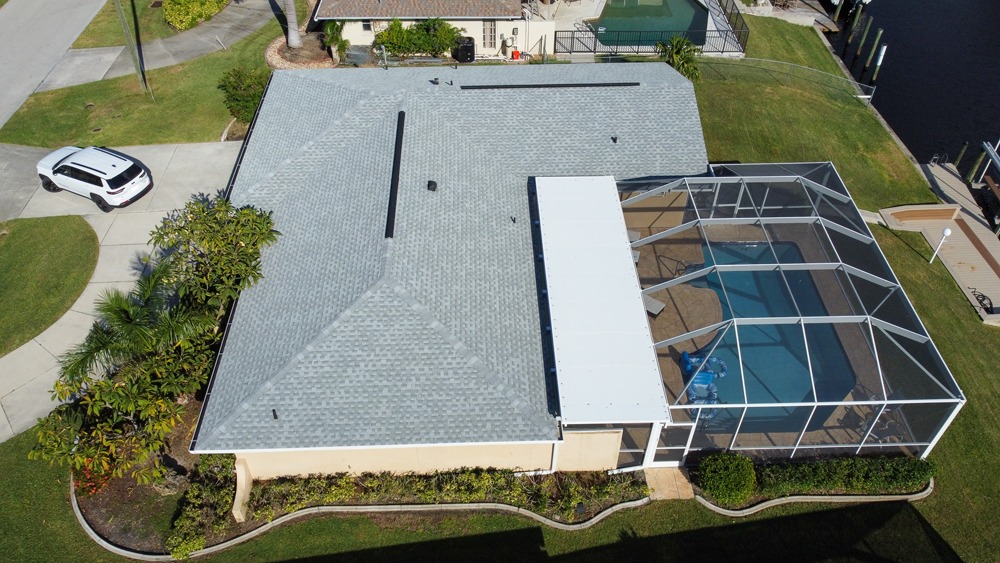
- Curling, buckling, or missing shingles: Asphalt shingles lose their flexibility with age and begin curling at the edges, which makes them easier for wind to lift.
- Granule loss: Dark, sand-like granules piling up in gutters or washing out of downspouts mean your shingles are shedding their protective UV coating.
- Damaged flashing: Flashing seals every junction where the roof meets a wall, chimney, skylight, vent, or valley. The NRCA puts it plainly in its Roof Builders Handbook: without flashing, most roofs would leak like a sieve. Those metal surrounds deserve the closest look on any older roof.
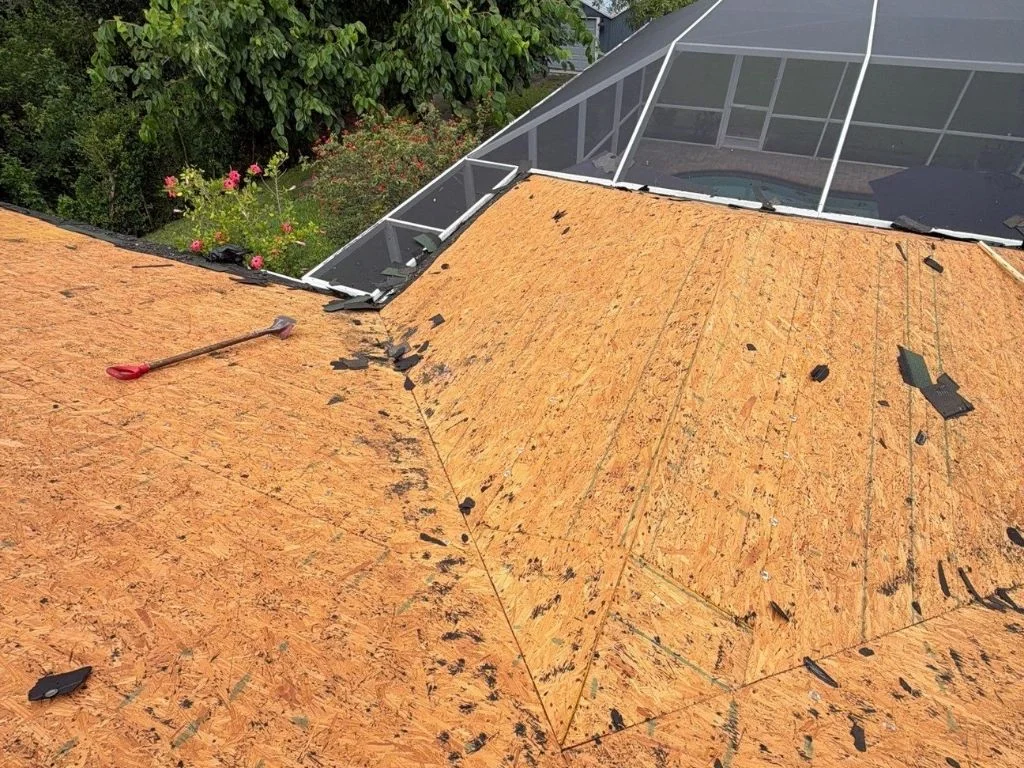
- Clogged or sagging gutters: Blocked drainage forces water to back up under the roof edge, which leads to rotted fascia and soffit. Our gutter services page covers what proper drainage should look like.
- Interior water stains: Check ceilings and walls for yellow rings or dark spots, then take a flashlight into the attic and look at the underside of the decking for dampness or daylight. Poor attic ventilation often shows up during the same inspection, since trapped humidity and active roof leaks look very similar from below.
When to Bring in a Professional
Watching your roof from the ground is a great habit. Walking on it is a different story, particularly on the steep-slope tile and metal roofs common in neighborhoods like Pelican Marsh and Lely Resort, where the materials can be easily damaged underfoot.
A trained inspector reads failure patterns that a homeowner might easily overlook: fastener back-out, micro-cracks in tile underlayment, and sealant bonds that have released without opening visibly. Our roof inspections are forensic-level and completely free for homeowners, so keeping up with a twice-yearly cadence on any roof over 15 years old only costs you an hour of your time.
How Maintenance Differs by Roof Material
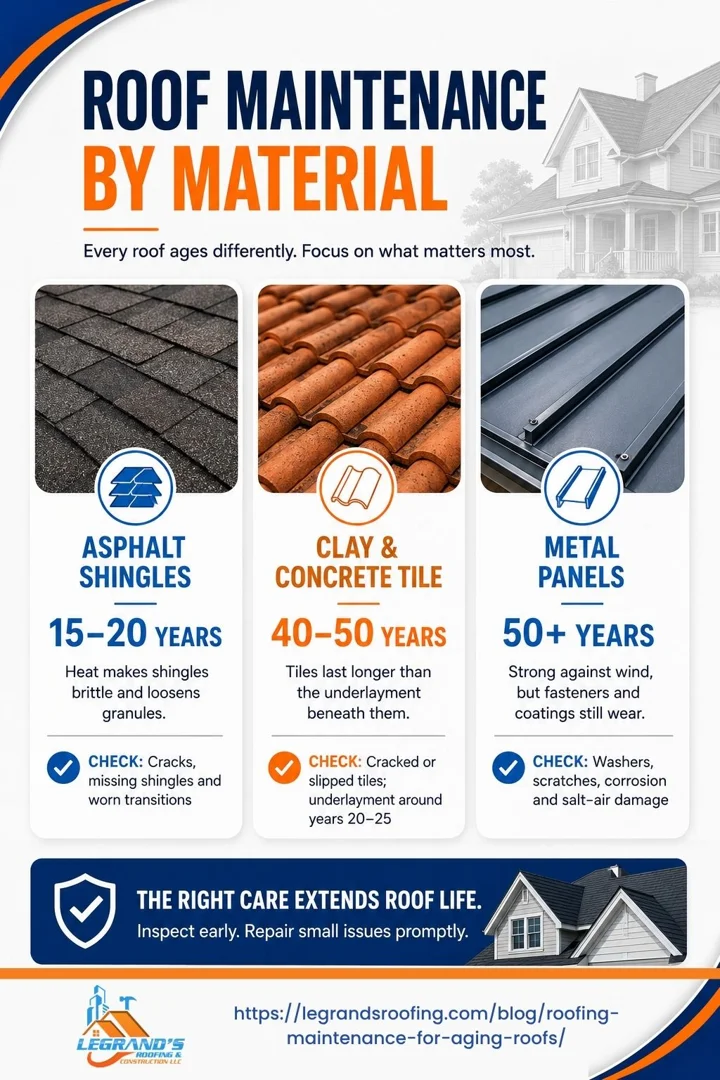
Each material ages on its own schedule, so your maintenance focus should shift based on what is over your head.
- Asphalt shingles: Most shingle roofs in Naples last 15 to 20 years under local conditions. Sustained heat dries out the asphalt binder, causing the shingles to turn brittle and shed their granules. Timely shingle roof repair seals vulnerable transitions while the main field of the roof is still sound.
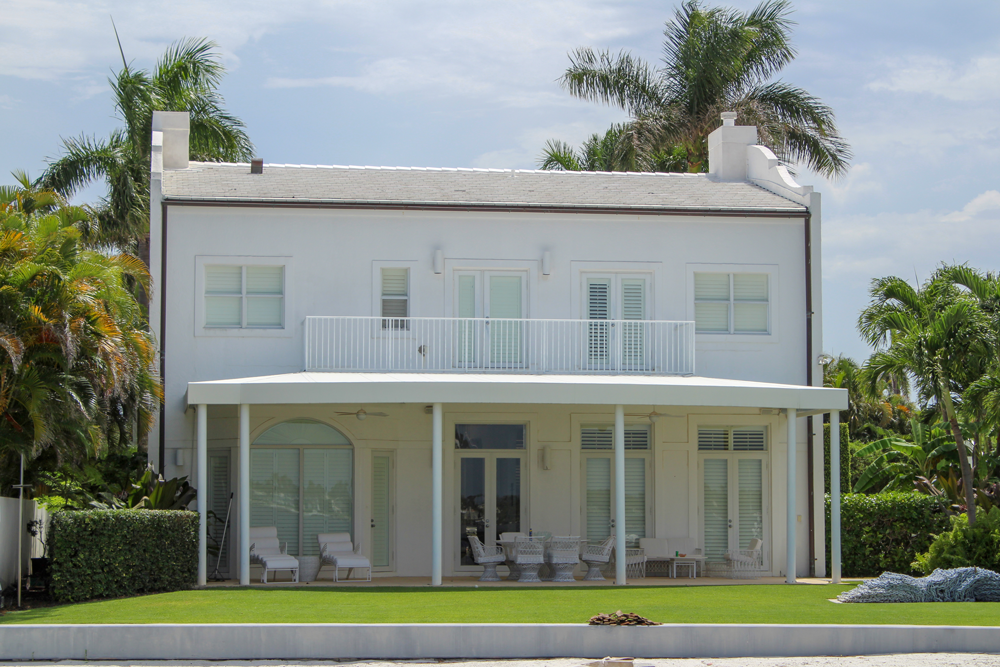
- Clay and concrete tile: Tile roofs last 40 to 50 years in Florida’s climate and remain the dominant look on Naples luxury homes. The underlayment beneath them runs on a shorter clock, often needing replacement around years 20 to 25 even when the tiles themselves are fine.
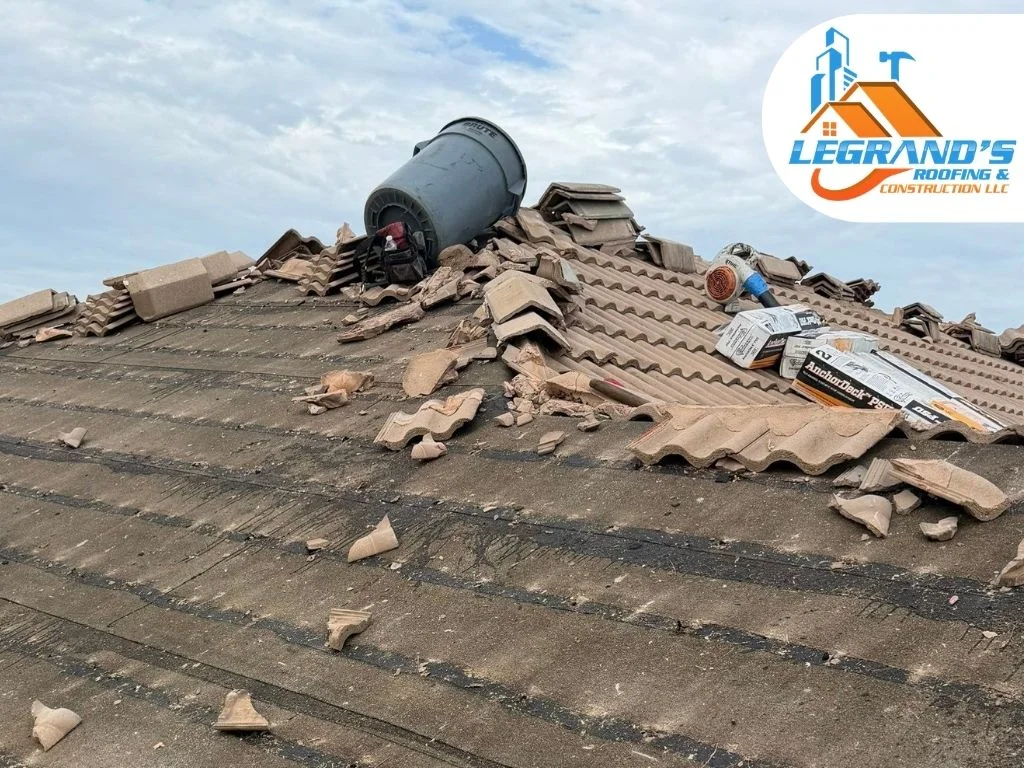
Cracked or slipped tiles expose that underlayment directly, meaning prompt tile roof repair can be the difference between replacing a few tiles and paying for a full underlayment job.
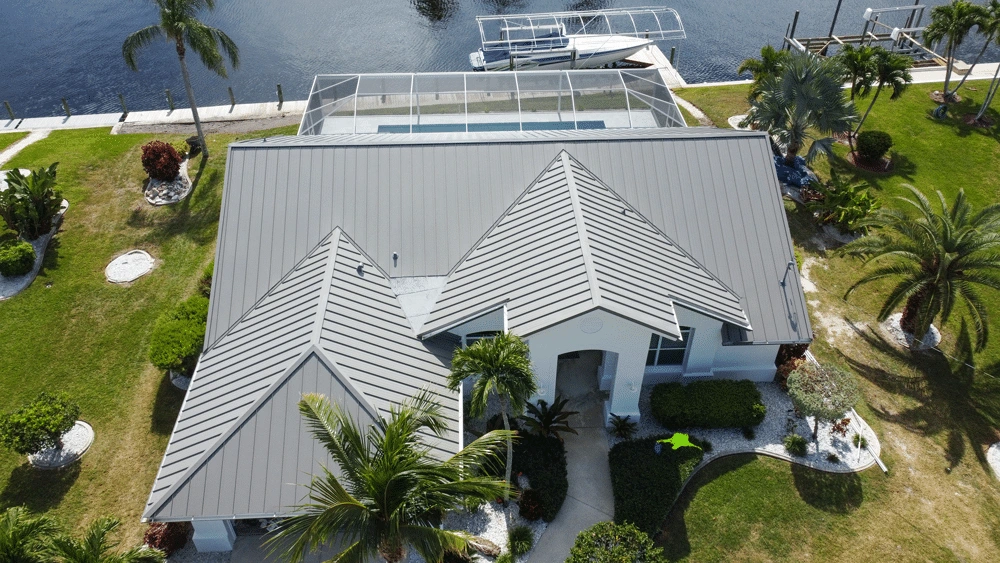
- Metal panels: Standing-seam systems often run well past 50 years and handle wind better than anything else on the market. Screw-down metal needs its exposed neoprene washers checked regularly, since those can dry out and crack. Coastal salt air near Marco Island and Sanibel also works on any coating that has been scratched or weathered, and a prompt metal roof repair catches this while it is still just surface-level.
Repair or Replace: Making the Call
A leak does not automatically mean you need a new roof. The NRCA answers this question directly in its homeowner resources: not necessarily, since leaks often trace back to loose flashing or just one damaged section.
The most accurate way to weigh your options is to look at the long-term value. A repair buys you the remaining service life of your aging system. A replacement buys you 20 to 30 fresh years. Divide the cost of each option by the years it delivers, and the right choice usually becomes obvious.
A repair generally wins when:
- The damage is isolated to one area.
- The membrane, shingles, or tiles still have real service life left.
- The decking and insulation underneath are completely dry.
A replacement generally wins when:
- Failures are showing up in several places at once.
- The decking or insulation has taken on water.
- Repair quotes keep climbing on a roof that is already near the end of its expected lifespan.
If your roof is structurally sound but showing localized wear, stabilization work is a great middle ground. Resetting slipped tiles, reinforcing weak decking, and applying protective coatings can add several years of service and give you time to plan for a replacement on your own schedule. When that time comes, our roof replacement team will walk you through the best material options for your home and neighborhood.
What Roof Age Means for Your Insurance
Roof age has become one of the most closely watched items for Florida homeowners insurance. Understanding the rules puts you in a strong position if you ever receive a warning letter from your carrier.
Carrier Thresholds and What Florida Law Guarantees
Carrier practices and Florida law are two different things, and the distinction matters.
When writing policies, most private carriers begin requiring inspections around the 15-year mark, and many stop writing new business on shingle roofs somewhere between 15 and 20 years.
Citizens Property Insurance, the state-backed insurer, publishes its own thresholds: it requires replacement documentation or proof of remaining useful life for shingle (and other soft roofs) more than 25 years old, and for tile, slate, clay, concrete, or metal roofs more than 50 years old. Tile and metal run on a considerably longer clock than shingles, which is worth knowing if you own one of the tile roofs common across Naples.
On the legal side, Florida Statute 627.7011(5) sets a strict floor that no carrier rule can override:
- An insurer may not refuse to issue or renew a homeowners policy solely because of roof age if the roof is less than 15 years old.
- For a roof 15 years or older, the insurer must allow you to obtain an inspection by an authorized inspector, at your expense, before requiring replacement as a condition of coverage.
- If that inspection shows the roof has 5 or more years of useful life remaining, the insurer may not refuse to issue or renew solely because of the roof’s age.
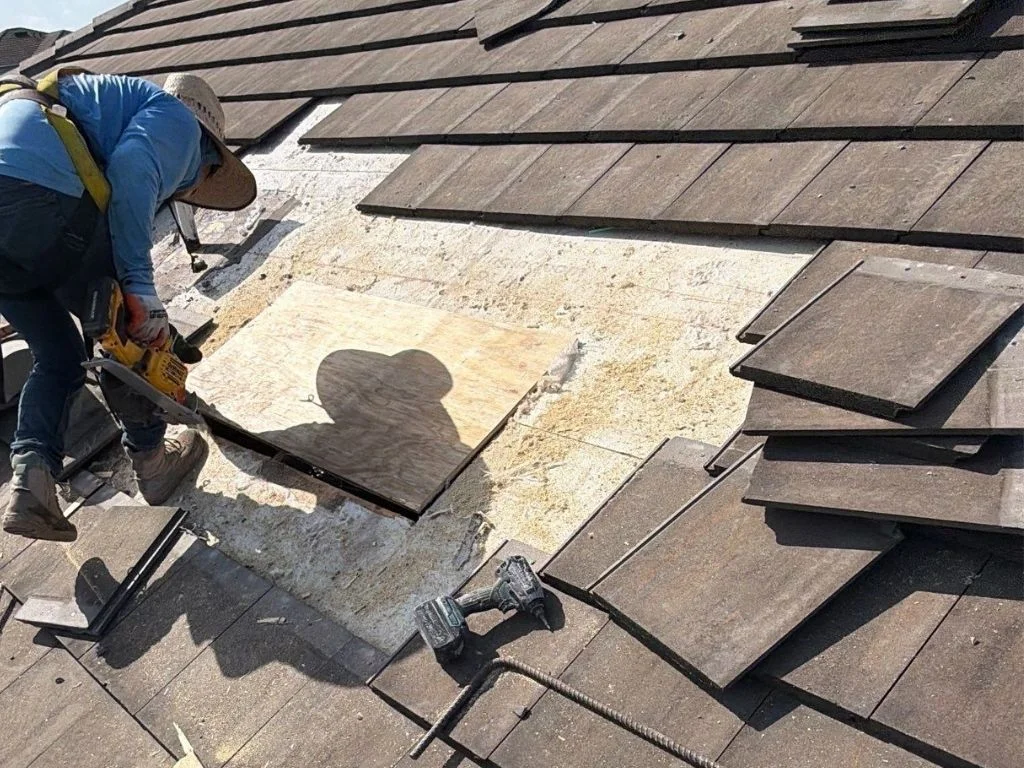
House Bill 1611, effective July 2024, added licensed roofing contractors to the list of authorized inspectors under that statute. A carrier letter citing your roof’s age is simply an invitation to document its actual condition, and our inspection reports are built for that exact purpose. A wind mitigation inspection is a separate document that can lower your premium on its own merits, and it is often worth running the two together.
Replacement Cost Versus Actual Cash Value
Coverage terms shift as a roof ages, and this is where documentation pays for itself. Many carriers move older roofs from “Replacement Cost Value” to “Actual Cash Value,” which factors depreciation into your payout. On a 20-year-old roof, that difference can run into thousands of dollars at claim time.
Adjusters also look closely for evidence of maintenance. If a storm damages a roof that shows pre-existing wear or rot, your insurance company might attribute the damage to age instead of the storm. A documented history of inspections and repairs is the clearest counter to that argument.
It also protects your resale value, since Southwest Florida buyers scrutinize roofs harder than almost any other part of a house. Our post on roof repairs and upgrades covers what that documentation looks like in practice.
Building a Long-Term Maintenance Plan
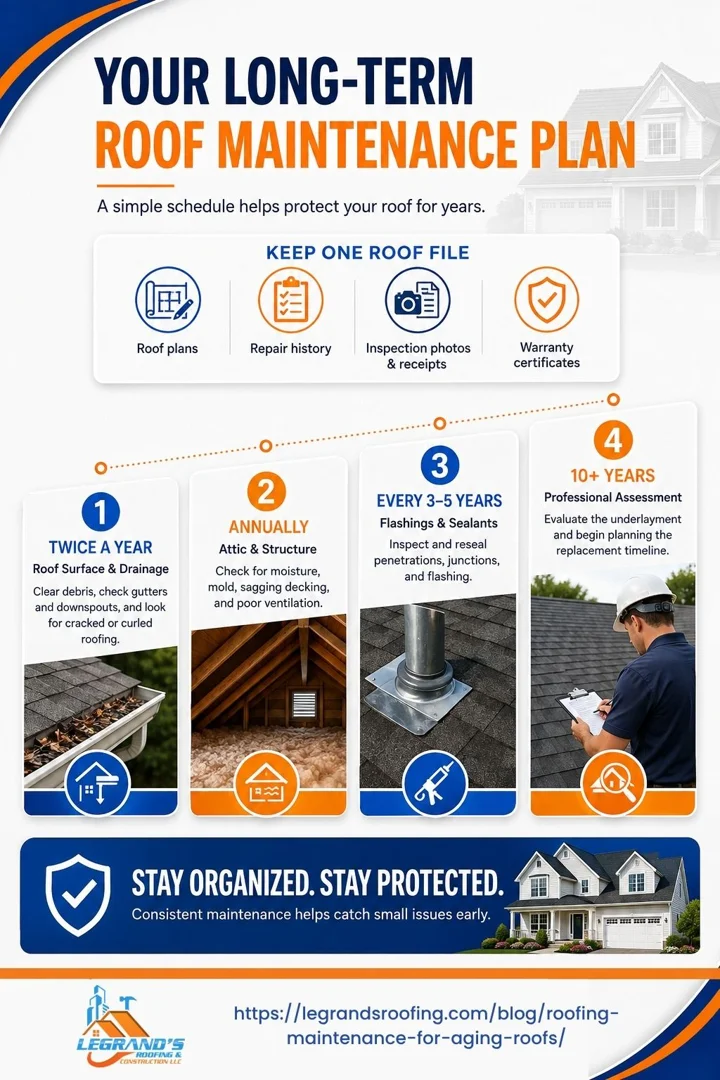
Start a single file for your roof and keep everything in it:
- As-built specifications and roof plans.
- Dates of previous repairs and the materials used.
- Receipts and photos from professional inspections.
- Manufacturer warranty certificates.
This file turns a conversation with an adjuster, an underwriter, or a buyer’s inspector from a debate into a simple document review.
A Maintenance Schedule by Frequency
| Frequency | Focus Areas | Key Actions |
|---|---|---|
| Twice a year (spring and fall) | Gutters, drainage, and roof surface | Clear leaves and debris, inspect the shingle or tile field for curling and cracking, check downspout flow. |
| Annually | Attic and structure | Check the attic for moisture, mold, or sagging decking, and verify ventilation balance. |
| Every 3 to 5 years | Flashings and sealants | Inspect and reseal flashing around penetrations, check sealant joints at every junction. |
| 10 years and beyond | Professional assessment | Schedule a forensic-level inspection, evaluate underlayment condition, and start planning the replacement timeline. |
Take the Next Step Today!
If you own an aging roof in Southwest Florida, the most important question is what condition it is actually in, and that question has a free answer. A twice-yearly inspection habit, a documented maintenance file, and prompt attention to flashing and drainage will easily carry your roof to the top of its expected lifespan.
Legrand’s Roofing & Construction serves homeowners, custom builders, and property owners across Southwest Florida. You can check your address against our coverage areas. Whether you need a targeted roof repair, a full replacement, or proper documentation for your insurance carrier, book a free inspection and our family-owned team will give you a straightforward assessment and the paperwork to back it up.
Roofs that stand strong against time. Excellence at Every Level.