


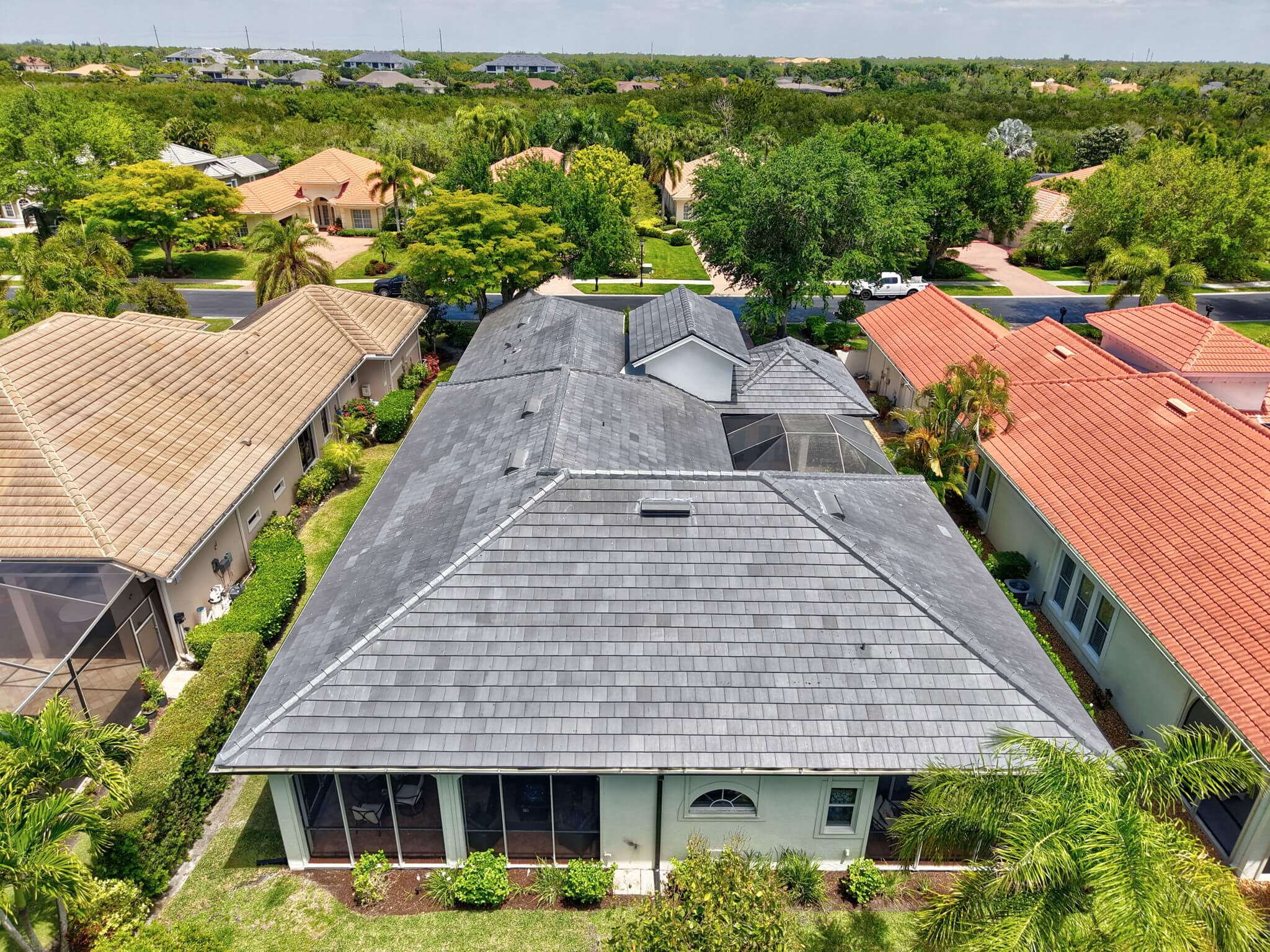
Tile Roof Installation For New Construction in Southwest Florida
Beautiful, Long-Lasting Tile Roofing Installation
Legrand's Roofing & Construction provides expert tile roof installation tailored to Southwest Florida’s strict building codes and unique tropical climate. We deliver comprehensive, high-performance roofing solutions specifically designed for local homeowners and custom builders. Proper installation is critical in our coastal environment—our premium, water-resistant tile surfaces are engineered to withstand severe weather, protecting your structural investment while adding lasting beauty and long-term value to your property.
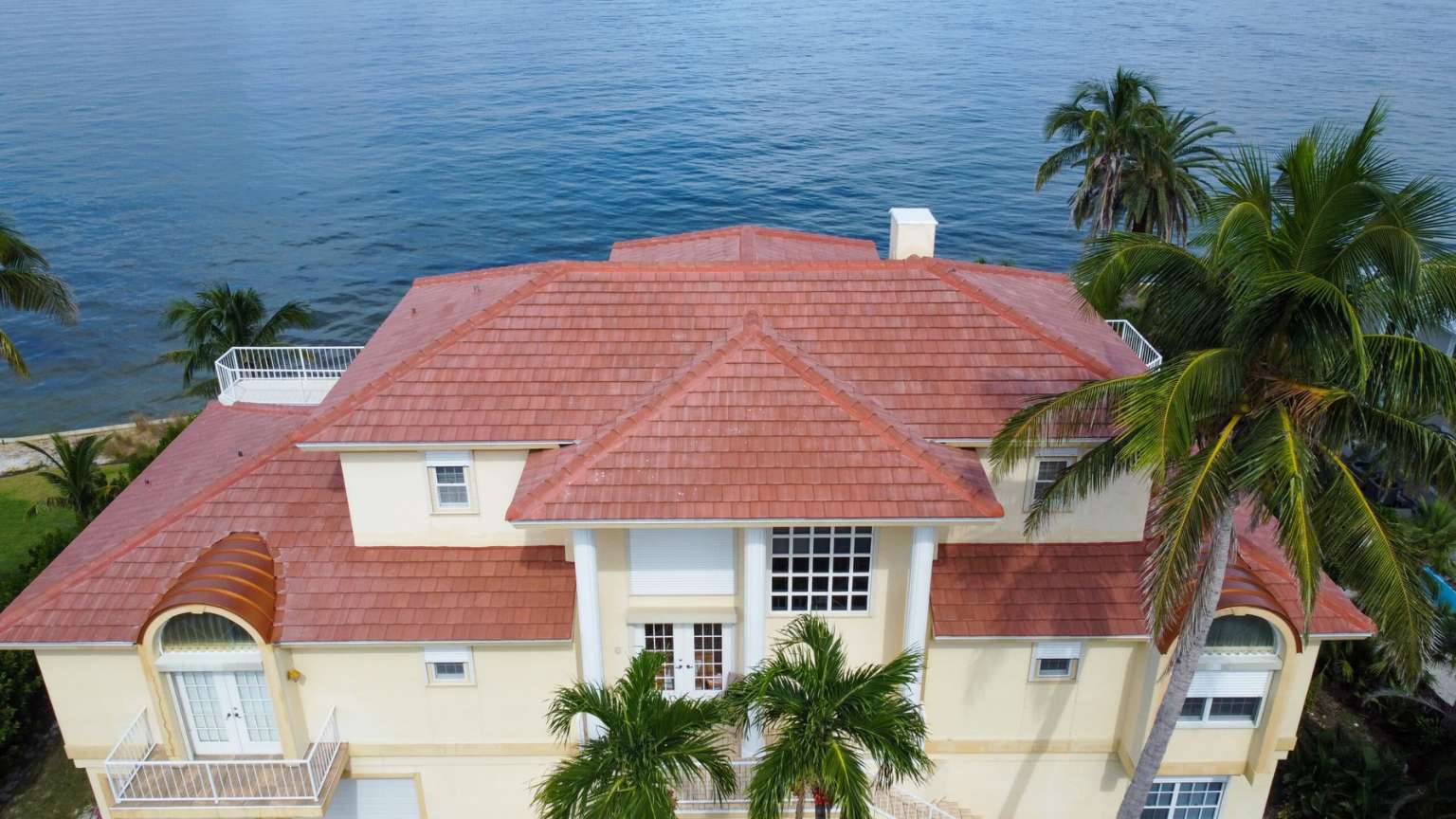
6 Key Indicators You Need Expert Tile Roof Installation
Planning a new build in Southwest Florida means your tile roof installation must meet stringent standards from the start. Here are six signs that professional tile roof installation services are essential for your project’s success:
Design Plans Lack Florida Building Code Compliance
If your architectural or builder plans don’t fully integrate the latest Florida Building Code, including High-Velocity Hurricane Zone requirements for tile roofing, your home risks failing inspections and costly rework. Expert tile roof installers ensure all codes are met upfront.
Tile Materials Are Not Specified for Coastal or Inland Conditions
Using the wrong materials, such as non-water-resistant ceramic tile, can lead to premature staining and failure, so comparing clay tiles and concrete tiles by cost, performance, and other features matters when choosing roof tiles for your home.
Builder Coordination Is Missing or Incomplete
Tile roof installation disconnected from framing inspections, material deliveries, and other trades can cause costly delays. Professional teams coordinate the schedule with builder timelines to keep your project on time and on budget.
Lack of Builder Warranty and Documentation
Without clear manufacturer and workmanship warranties, your investment is at risk. Professional tile roof installation provides comprehensive warranty coverage and detailed documentation for future peace of mind.
Uncertainty About Long-Term Maintenance and Lifespan
New homes need tile systems designed for longevity and ease of upkeep, with tile roofs requiring routine inspections at least bi-annually. Expert installers educate homeowners on maintenance schedules and material lifespans to help protect your installation and home value over time.
Moisture and Surface Preparation Are Overlooked
Florida’s humid climate requires vapor barriers, waterproof membranes, and crack isolation systems to prevent mold, bond failure, and structural damage. A properly built tile roof system also creates natural ventilation beneath the tiles.
Our New Construction Tile Roof Installation Services
Why Choose Legrand's Roofing & Construction for New Construction Tile Roof Installation?
Roofing tile systems require rigorous structural planning, precise weight distribution, and high-grade moisture protection to handle Southwest Florida’s tropical climate, and modern systems can withstand wind speeds up to 150 miles per hour.
Over a Decade of Local Expertise
With more than ten years of experience across Southwest Florida, we understand how coastal humidity, salt-air exposure, and hurricane-force winds impact long-term tile performance. In Florida’s climate, tile roofs also carry a Class A fire rating and are highly resistant to fire and hail damage.
Florida Code & ANSI Standards
Every installation strictly complies with the latest Florida Building Code, High-Velocity Hurricane Zone (HVHZ) guidelines, and ANSI/TCNA standards to guarantee structural integrity and long-term durability.
Comprehensive Documentation & Warranties
We protect your investment from day one with complete digital photo reports, permit tracking, product approvals, manufacturer warranties, and written workmanship guarantees. Over time, tile roofs also offer one of the lowest life-cycle costs of any roofing material.
Substrate Preparation & Moisture Barriers
We prioritize superior underlayment and surface preparation, utilizing high-performance vapor barriers, waterproof membranes, and crack-isolation systems to prevent moisture intrusion, staining, or bond failure. Because Florida home insurers closely monitor the condition of roofs, correct installation and clear records matter.
Premium Tile & Natural Stone Materials
We install Florida-rated, high-grade clay and concrete tile systems selected specifically for maximum weather resistance, structural strength, and coastal curb appeal. Our tile products are chosen not only for performance but also because their production supports recyclable, environmentally friendly materials.
Licensed, Insured & Safe
Our fully licensed and insured team strictly adheres to jobsite safety standards while maintaining clean work sites through daily debris removal and site sweeps.
Our New Construction Tile Roof Installation Process
01
Design Coordination and Planning
Legrand’s Roofing & Construction collaborates early with architects and builders to ensure tile selections and installation schedules align with the overall construction timeline and code requirements, beginning with an initial consultation with the builder or homeowner to review tile color and layout patterns and raise any questions or comments on room-specific preferences before installation begins.
02
Substrate Preparation and Moisture Protection
We prepare substrates to meet flatness and moisture standards, install vapor barriers and crack isolation membranes, and ensure proper drainage slopes to prevent water pooling.
Concrete and clay tiles typically weigh between 800 and 1,200 pounds per 100 square feet, creating a larger structural load that the substrate must support. Individual tiles usually weigh about 9 to 12 pounds, which is why proper substrate preparation matters.
03
Professional Tile Roof Installation and Final Inspection
Experienced installers follow ANSI A-108 standards, ensuring proper mortar coverage, grout joint sizing, expansion joint placement, and tile layout to prevent lippage. Tile roof installations typically require a minimum 1/8th grout joint, and for rectified tiles, the grout joints must be a minimum of 1/8 inch; expansion joints should be placed around room perimeters and at changes of plane, with movement accommodation joints essential to handle thermal expansion, contraction, and other structural movement.
Expert Roofing Services Across Southwest Florida
From our headquarters in Naples, Legrand’s Roofing & Construction LLC delivers excellence at every level
to homeowners and luxury builders throughout the quad-county area.
What Our Clients Say
Don't just take our word for it. See why homeowners across Southwest Florida trust Legrand’s Roofing.